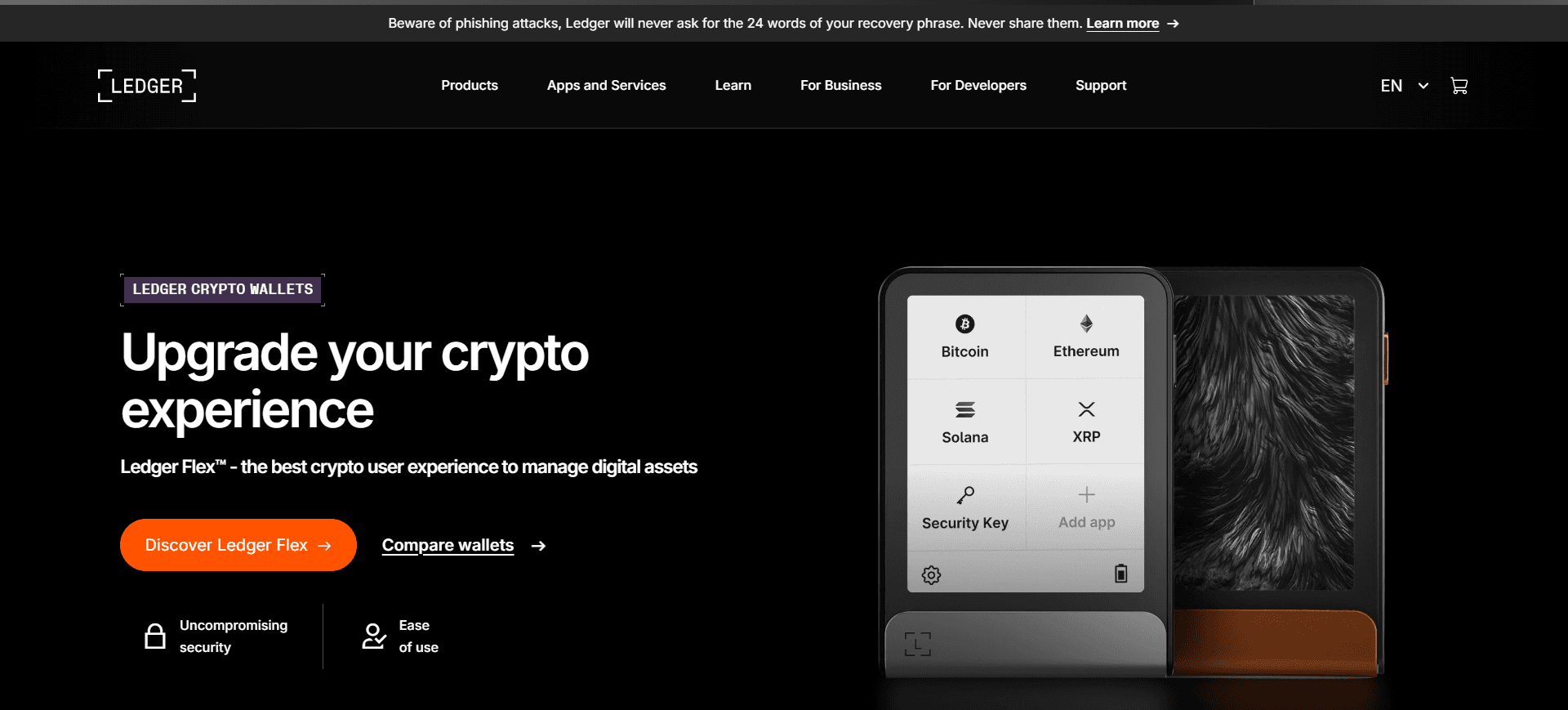
Ledger Live Login: A Detailed Guide to Secure Crypto Management
Introduction: What is Ledger Live?
Cryptocurrency has become one of the most popular and valuable asset classes in recent years, but with its rise has come the need for enhanced security and reliable management tools. Ledger, a well-established name in the crypto space, provides a hardware wallet solution—Ledger Nano S and Ledger Nano X—that ensures your private keys stay offline and out of the reach of cybercriminals.
But while the hardware wallets provide security, Ledger Live is the companion app that allows you to manage your cryptocurrencies. Ledger Live acts as a bridge between your hardware wallet and your computer or mobile device, offering a simple yet powerful interface to manage, send, receive, and interact with various cryptocurrencies securely.
This guide will help you understand the Ledger Live login process, walk you through how to set up your Ledger device, explore the features of Ledger Live, and troubleshoot any issues that might arise during the process.
Why Use Ledger Live?
Before diving into the specifics of Ledger Live login, it’s important to understand the value of using Ledger Live to manage your cryptocurrency portfolio. Here are some reasons why Ledger Live is a must-have tool for crypto enthusiasts:
1. Maximum Security for Your Assets
The primary reason for using Ledger Live in conjunction with a Ledger hardware wallet is security. The Ledger Nano X and Ledger Nano S are hardware wallets designed to store your private keys offline. This means your keys are never exposed to the internet, keeping them safe from hackers, phishing, and malware attacks. When you connect your hardware wallet to Ledger Live, all the sensitive data stays on the device itself, providing an extra layer of protection.
2. Supports a Wide Range of Cryptocurrencies
With over 1,800 cryptocurrencies supported, Ledger Live enables you to manage a wide array of digital assets. Whether it’s Bitcoin, Ethereum, Litecoin, or XRP, Ledger Live allows you to securely store and manage your portfolio all in one place.
3. User-Friendly Interface
Although security is paramount, Ledger Live doesn’t compromise on user experience. The platform is intuitive and designed to be accessible to both beginners and experienced cryptocurrency users. Whether you’re checking balances, sending and receiving transactions, or tracking portfolio performance, the app’s interface makes these tasks simple and straightforward.
4. Integrated Crypto Exchange and Swap Features
Unlike many crypto wallet apps, Ledger Live allows you to buy, sell, and swap cryptocurrencies directly within the app. With integrated services that let you buy crypto with your bank account or credit card and swap one asset for another, Ledger Live eliminates the need for multiple platforms to manage your assets.
5. Access to Staking and DeFi
For users looking to participate in decentralized finance (DeFi) or staking, Ledger Live provides secure access. You can stake supported coins (such as Tezos, Cosmos, and Polkadot) and interact with DeFi platforms directly from the app.
Setting Up Ledger Live and Logging In
Setting up Ledger Live is quick and easy. Here’s a step-by-step guide to get you started and log in securely.
Step 1: Download and Install Ledger Live
Go to the Official Ledger Website: Always download Ledger Live from the official Ledger website here. This ensures you’re getting a legitimate version of the app without any risk of malware.
Select Your Platform: Choose the version of Ledger Live that corresponds with your operating system (Windows, macOS, or Linux). You can also download the app for your mobile device from the Google Play Store or Apple App Store.
Install the App: After downloading, run the installer and follow the on-screen prompts to install Ledger Live. Once installed, open the app to begin the setup process.
Step 2: Set Up Your Ledger Hardware Wallet
Connect the Device: Plug in your Ledger hardware wallet (Ledger Nano S or Ledger Nano X) to your computer using the provided USB cable (or connect via Bluetooth for Nano X on mobile).
Create a New Wallet or Restore an Existing One:
New Wallet: If this is your first time using a Ledger device, you’ll need to create a new wallet. The device will prompt you to write down a 24-word recovery phrase. Store this in a safe place, as it’s the only way to recover your wallet if your device is lost or damaged.
Restore Wallet: If you have an existing wallet and recovery phrase, you can restore your wallet by entering the 24 recovery words.
Set Your PIN Code: To unlock your Ledger device and prevent unauthorized access, you’ll need to set a PIN code. This PIN will be required every time you use the device.
Step 3: Logging In to Ledger Live
Open Ledger Live: Once your Ledger device is set up, launch Ledger Live on your computer or mobile device.
Connect Your Ledger Device: Plug in your Ledger hardware wallet via USB (or use Bluetooth for Nano X) to your computer or mobile device.
Enter Your PIN: Unlock your Ledger device by entering the PIN code you created during setup.
Pair the Device with Ledger Live: Follow the on-screen instructions to pair your Ledger hardware wallet with Ledger Live. This pairing allows Ledger Live to securely interact with your wallet and access your cryptocurrencies.
Once you’re logged in, you’ll have access to all the features Ledger Live has to offer.
Key Features of Ledger Live
Here are the most important features you’ll be able to access once you’ve logged into Ledger Live:
1. Portfolio Overview
Ledger Live offers an overview of your entire cryptocurrency portfolio:
Portfolio Value: See the total value of your assets in your preferred fiat currency (USD, EUR, GBP, etc.).
Individual Asset Balances: Track the balance of each cryptocurrency you hold.
Price Charts: View the price trends for each cryptocurrency over different time periods (24 hours, 7 days, 30 days, etc.).
This feature helps you stay up-to-date with the market performance of your investments.
2. Send and Receive Cryptocurrency
Managing transactions is simple in Ledger Live:
Sending Crypto: To send cryptocurrency, select the asset you want to send, input the recipient’s address, and specify the amount. You will need to confirm the transaction on your Ledger device to complete the process.
Receiving Crypto: To receive crypto, click the Receive button. Ledger Live will generate a wallet address that you can share with the sender. Always verify the address on your Ledger device before confirming to ensure it’s correct.
3. Buy and Swap Cryptocurrencies
Ledger Live integrates third-party services to allow you to:
Buy Crypto: Purchase supported cryptocurrencies directly through Ledger Live using payment methods like bank transfer or credit card.
Swap Crypto: Swap one cryptocurrency for another without the need for an external exchange. For example, you can exchange Bitcoin for Ethereum directly from Ledger Live.
4. Staking and DeFi
Ledger Live provides access to staking and DeFi platforms:
Staking: Stake supported assets like Tezos or Cosmos to earn rewards by participating in the network's consensus mechanism.
DeFi: Access decentralized finance applications such as decentralized exchanges (DEXs), lending platforms, and yield farming protocols from within Ledger Live.
5. Security Features
Ledger Live comes equipped with multiple layers of security to keep your assets safe:
PIN Code: Each time you connect your Ledger device, you’ll need to enter your PIN to unlock it.
Recovery Phrase: The 24-word recovery phrase ensures that you can recover your assets if your device is lost or stolen.
Passphrase Support: For enhanced security, you can use a passphrase to generate a hidden wallet on your Ledger device.
Troubleshooting Common Ledger Live Login Issues
Sometimes, users may face issues when logging into Ledger Live. Here are some common problems and their solutions:
1. Ledger Live Not Detecting My Device
If Ledger Live doesn’t detect your device:
Check the USB Connection: Ensure the cable is properly connected and try a different USB port.
Unlock the Device: Make sure your Ledger device is unlocked by entering your PIN.
Restart the App: Close Ledger Live and reopen it.
2. Transaction Not Going Through
If a transaction isn’t going through:
Check Network Congestion: Some networks may be congested. Try increasing the transaction fee or waiting for the congestion to clear.
Verify the Address: Always double-check the recipient’s address on your Ledger device before confirming any transactions.
3. Firmware Update Issues
If your Ledger device needs a firmware update:
Ensure Compatibility: Make sure that Ledger Live is up to date and supports the latest firmware version.
Follow On-Screen Instructions: Ledger